Blockfi is a wind-down estate distribution process for former crypto lending clients
Blockfi is a former crypto lending business now centered on estate distributions, Kroll payment selection, identity checks, and client remediation. Former account holders are no longer evaluating a live yield product; they are trying to complete the right steps so remaining approved distributions reach the correct person or business. The important tasks are selecting an available payment method, completing identity verification when required, watching for phishing, and keeping account information consistent with the claims process.
What the current site is actually for
The current public experience functions as a claims and updates hub rather than a lending dashboard. It points former clients toward updates, a help center, legal terms, licensing material, fee and rate archives, contact paths, and the Kroll payment selection flow. That structure matters because old product language around interest accounts, loans, trading, and crypto custody no longer describes an active consumer product.
Blockfi previously became known for crypto-backed lending and yield accounts tied to assets such as Bitcoin, Ether, stablecoins, and other supported digital assets. The relevant question now is narrower: whether a former client has an estate distribution, what identity or remediation step applies, and which payment rail is available for that person or entity.
Where Kroll payment selection fits in the claim path
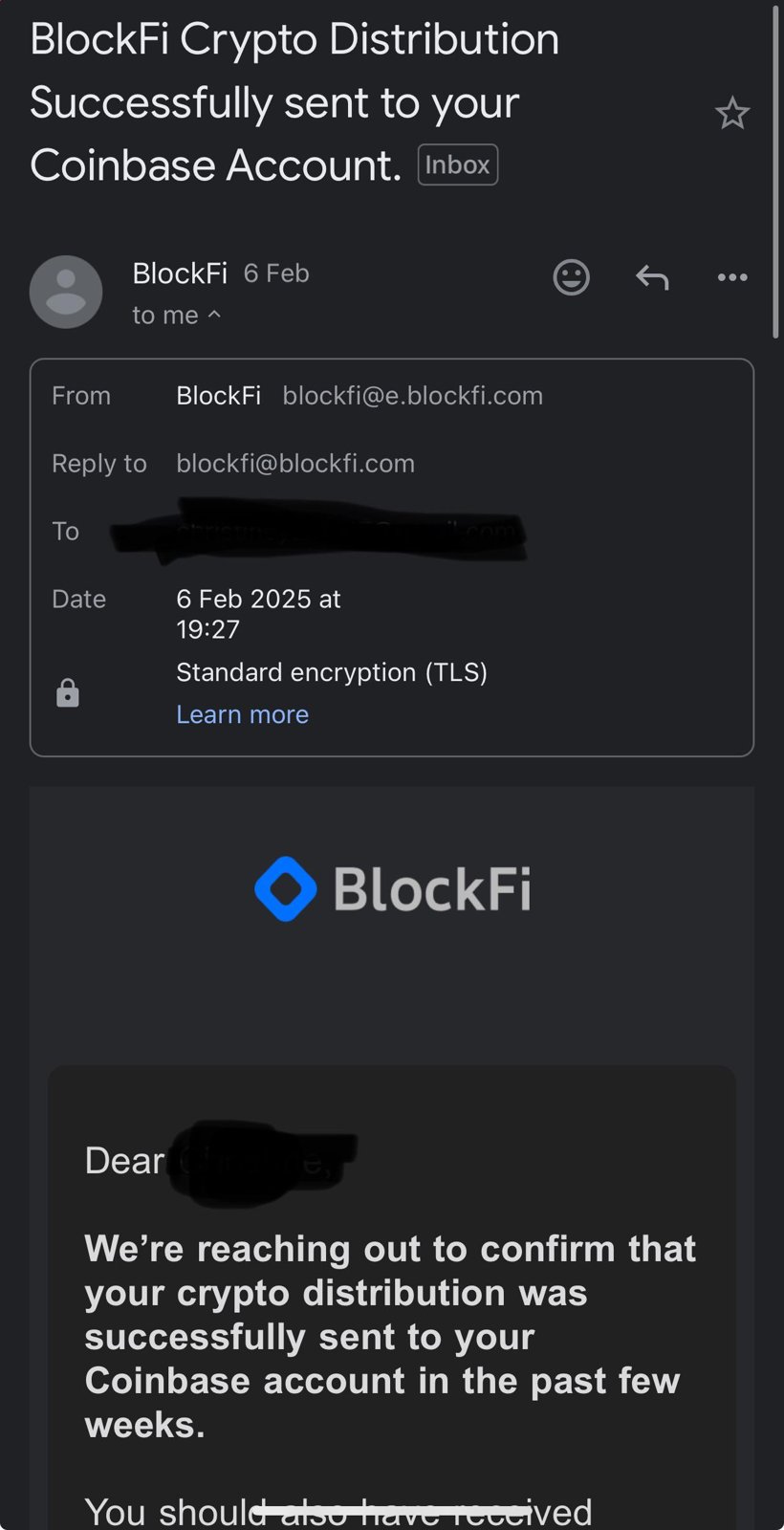
Kroll payment selection is the practical bridge between an allowed distribution and the way a former client receives it. It is not a new investment feature. It is the administrative path used to choose among available payment options, confirm recipient details, and connect a distribution record to a deliverable payment route.
A former client should treat this step like a claims payment instruction. The name, email, identity record, account ownership, and business documentation all need to line up. If they do not, the payment process stalls because the estate cannot safely send funds to a recipient that has not matched the required record.
Identity verification and the May 27, 2025 deadline
The official updates highlighted a specific identity verification deadline of May 27, 2025, for securing remaining distributions. That date belongs to the wind-down process, not to a new product launch. It gave former clients a clear cutoff for completing verification tied to remaining estate payments.
Identity checks serve a concrete purpose: they reduce misdirected distributions and help separate legitimate former clients from account takeover attempts. A person who receives a verification prompt should focus on matching the identity data used during the claim process. For a business, the matching problem includes entity records, authorized representatives, and any requested remediation material.
Former retail accounts and business account remediation
Retail account holders and international business accounts face different operational questions. An individual account centers on personal identity, prior account access, and payment selection. A business account adds entity status, authority to act, and documentation that proves the person completing the process has the right to represent the business.
That said, Blockfi updates specifically referenced international business account remediation for clients with an outstanding estate distribution. That wording signals an administrative cleanup process for accounts that still need documentation before payment. The key action is not reopening old lending activity; it is resolving the information gap that prevents the estate from completing a distribution.
Phishing risk during distributions
Distribution periods attract impersonation attempts because former clients expect emails, portals, deadlines, and payment instructions. A convincing scam message copies the vocabulary of claims, identity checks, and payment selection. The danger is highest when a message asks for wallet keys, seed phrases, remote access, or urgent payment before a distribution is released.
A specific caution belongs here: never provide a seed phrase, private key, or exchange password to complete an estate payment. Legitimate distribution administration relies on identity and payment records, not control of a personal wallet. If a message pressures the recipient to bypass normal account access, it conflicts with the purpose of a controlled claims process.
Fees, rates, and product pages in a wind-down context
Old fee and rate pages still help explain the historical business, but they should be read as context rather than a current offer. Former lending accounts, crypto loans, trading spreads, withdrawal costs, and interest-rate language belong to the period when customers used the platform for financial products.
More broadly, Blockfi no longer deserves evaluation like an active yield marketplace. A former user reading fees or rates today is usually checking a record, understanding an old account statement, or reconciling a distribution amount. The useful lens is documentation: what the account once held, what was recognized in the estate process, and what remains payable after prior distributions.
What former clients use the help center for now
The help center is most useful for narrow account and distribution tasks. People return to it when they need to understand payment selection, identity verification, account access, contact options, remediation requests, or the meaning of an update. The best reading order starts with the most recent update, then moves to the help topic that matches the account type.
- Payment selection questions belong with Kroll-related distribution instructions.
- Identity prompts belong with verification guidance and deadline notices.
- Business issues belong with entity remediation material.
- Suspicious emails belong with phishing protection guidance.
- Old product questions belong with fee, rate, legal, and resource archives.
This workflow keeps the former client focused on the remaining administrative task instead of the closed product catalog. It also reduces confusion when an archived product page uses language that does not reflect the current wind-down status.
How the old lending model shaped today's claims
The estate process exists because the earlier business accepted crypto assets, made loans, and offered account-based products whose balances had to be reconciled after the platform entered wind-down. That history explains why claims involve both digital asset language and conventional payment administration. A former customer remembers coins and account balances; the distribution process translates approved estate treatment into payment records.
Day to day, Blockfi's old appeal came from making crypto collateral and account yield feel familiar to mainstream users. That same simplicity created high expectations around access and support. In wind-down, the experience feels more procedural because distribution rights, identity checks, and creditor records now set the order of operations.
Alternatives for people who wanted the old product
Anyone looking for the former lending or yield experience now has to evaluate active crypto services on their own terms. Centralized exchanges, on-chain lending protocols, hardware wallets, and regulated brokerage products solve different problems. A centralized platform emphasizes account convenience. A DeFi protocol exposes smart contract and liquidation mechanics. Self-custody tools prioritize direct asset control over account-style support.
That comparison should start with the specific job: borrowing against crypto, holding Bitcoin, earning staking rewards, managing stablecoins, or receiving a bankruptcy distribution. For former Blockfi clients, the current task is the last item. New investing activity belongs in a separate decision, with separate custody, tax, and risk considerations.
Getting through the remaining process cleanly
A former client gets the most value by treating each notice as part of one administrative file. Keep the same legal name or business name consistent, preserve claim records, save payment confirmations, and respond to remediation requests with documents that match the account owner. Mixed names, expired identity records, and mismatched entity authority create avoidable delays.
Importantly, Blockfi is now best understood as a closed chapter with unfinished distribution mechanics for some former clients. The live question is not whether the old platform offers competitive crypto rates. It is whether the remaining claims record is complete enough for the estate process to deliver the next approved payment to the correct recipient.
Blockfi questions worth asking
What payment methods are involved in the Blockfi distribution process?
Payment methods are handled through the distribution administration flow and depend on the options made available to the specific claimant. The key step is payment selection, where the former client chooses from the available routes and confirms recipient information. The process is tied to estate records, so the selected method must match the claimant identity or authorized business representative.
How long does a Blockfi distribution take after payment selection?
Timing varies by distribution batch, completed verification, payment route, and whether the account record needs remediation. Payment selection is one step in the process, not an instant release guarantee. A clean individual record moves more directly than a file with identity mismatches, business authority questions, or missing documentation tied to an outstanding estate distribution.
Do I need my old crypto wallet to receive a remaining Blockfi payment?
A remaining estate payment is based on the claims and distribution process, not access to an old personal wallet seed phrase. Some payment routes involve crypto or digital payment details, but the administrative requirement is accurate recipient information and completed verification. Never use a seed phrase or private key as proof of eligibility for a distribution.
What happens if a former Blockfi client missed the identity verification deadline?
A missed identity verification deadline creates a claims administration problem that must be handled through the available support or remediation path. The official update named May 27, 2025, as the deadline for securing remaining distributions. After a deadline, the practical focus shifts to whether the record still has an available corrective process and what documentation is required.
Is Kroll the same thing as Blockfi for claim payments?
Kroll is associated with administration and payment selection for the estate process, while Blockfi is the former crypto business whose clients are receiving distributions. The distinction matters because a former client interacts with administrative tools to complete payment details, but the underlying claim relates to the old account and the estate records created during wind-down.
Can an international business account still receive an estate distribution?
An international business account with an outstanding estate distribution follows the remediation requirements tied to that business record. The process focuses on entity identity, authorized representatives, and documentation that confirms who can act for the company. Once the administrative record satisfies the required checks, the payment process has the information needed to move forward.
Which records should former clients keep for tax or accounting review?
Former clients should keep distribution notices, payment confirmations, old account statements, claim records, and any remediation correspondence. Business accounts should also preserve entity documents and records showing who approved the payment selection. These materials help reconcile prior balances, received distributions, and any accounting treatment that applies to the former account.