Blockfi app is an estate distribution portal for former BlockFi clients
Blockfi app is an estate distribution portal for former BlockFi clients who need to follow bankruptcy updates, complete Kroll payment selection, handle identity verification, and track remaining estate distribution steps. It is best understood as a claims and remediation access point rather than a trading product: the live focus is creditor communication, payment routing, phishing awareness, and documentation tied to the BlockFi bankruptcy estate.
Kroll payment selection is the main workflow
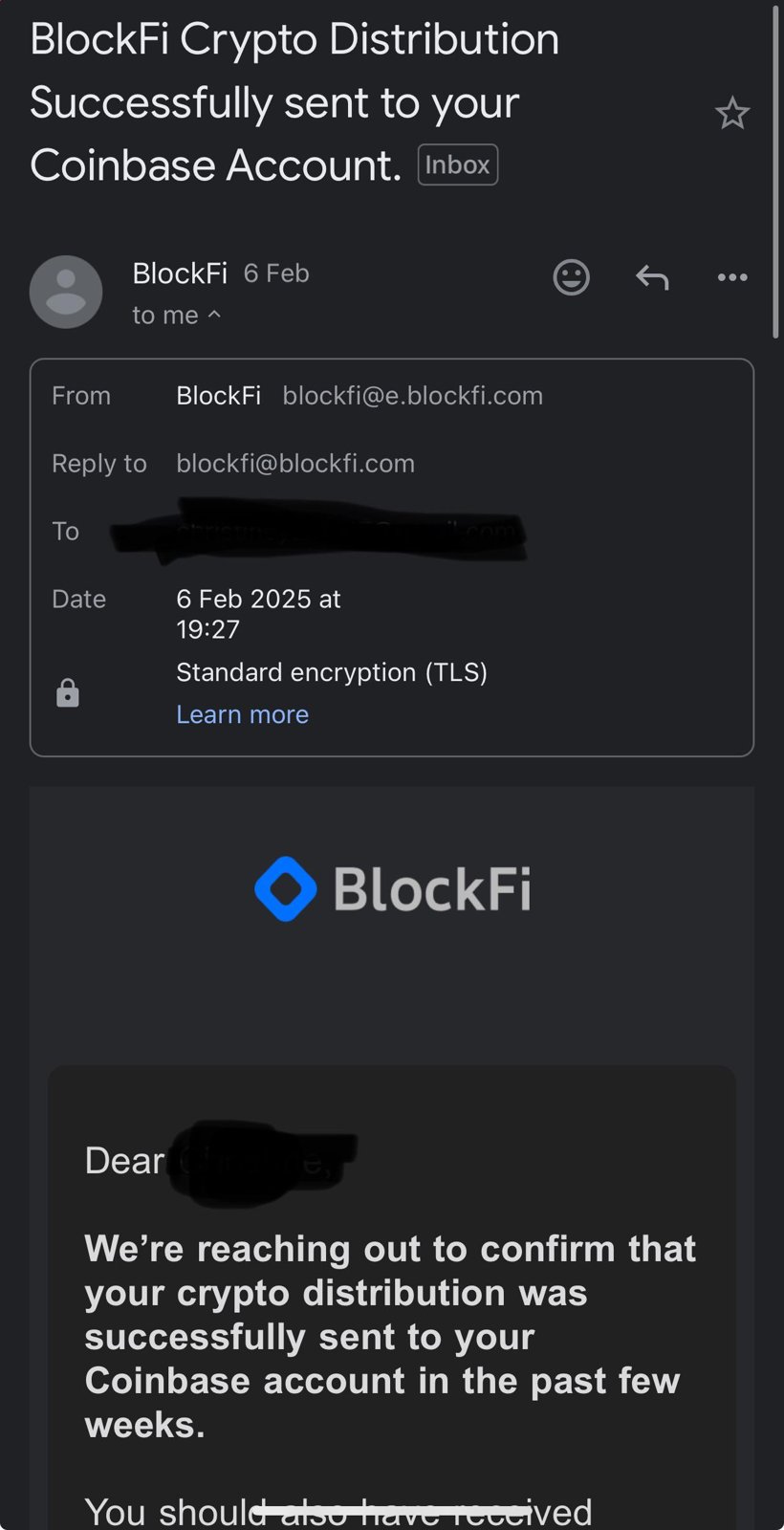
The most important action inside this experience is choosing an approved payment method through Kroll's distribution process. Former account holders use the flow to review distribution notices, confirm required details, and select how eligible estate payments should be delivered. Blockfi app language appears in search because many people still remember BlockFi as a mobile account product, but the active user need has moved to claims administration.
Kroll serves as the restructuring and claims administrator connected to BlockFi's bankruptcy process. That means the payment-selection step belongs to the estate distribution workflow, not a new crypto yield account or exchange account. A user who receives an estate notice should read the notice carefully, match the claim identity to the original account information, and avoid improvising outside the designated process.
Identity verification controls remaining distribution access
Identity checks are central because the estate has to match a person or business to a previously filed account record. The BlockFi update language specifically emphasized identity verification for remaining distributions, including a deadline in 2025 for certain users. That detail matters because the experience is tied to creditor eligibility, not ordinary app onboarding.
For individual users, verification focuses on proving that the person requesting payment is the same party associated with the original BlockFi account or claim. Business accounts add extra complexity: international business account remediation has appeared as a separate update topic, which signals that entity records, jurisdiction details, and authorized representatives matter for unresolved distributions.
Where estate notices, updates, and remediation fit together
The current page structure around BlockFi points users toward updates, a help center, Kroll payment selection, phishing protection, and remediation notices. Those categories reflect the estate's present job: communicate changes, collect missing information, and route distributions. Blockfi app searches therefore lead to a narrow administrative use case, centered on recovering access to a defined creditor process.
Updates are especially important when a distribution round, verification requirement, or remediation window affects a subset of clients. A former interest account holder, wallet customer, loan customer, or business client may see different instructions because their claim category and records differ. The portal's value is that it organizes these moving pieces around the claim file rather than asking users to reconstruct the bankruptcy timeline from scattered messages.
Phishing protection matters during payment selection
Distribution periods attract impersonation attempts because creditors are expecting emails and payment instructions. BlockFi's own update areas highlight phishing protection, which is a practical signal: attackers copy brand names, legal terminology, and urgency-driven deadlines to push users into fake forms. The safest pattern is to rely on the known claims workflow and treat surprise wallet requests, seed phrase prompts, and "release fee" messages as fraudulent.
Blockfi app should never require a seed phrase to process an estate distribution. A creditor payment process verifies identity and payment eligibility; it does not need recovery words for a self-custody wallet. That single distinction helps separate legitimate administration from the most common crypto scam pattern.
What former account holders use it for now
Former BlockFi users come to this topic with practical questions: whether a distribution is still pending, whether their payment method was selected, why an identity check appears, and how a business account can finish remediation. The portal answers those needs through notices, forms, and support resources connected to the bankruptcy estate.
- Reviewing recent BlockFi estate updates and distribution announcements
- Completing Kroll payment selection for eligible distributions
- Submitting identity verification where the estate requires it
- Following remediation instructions for unresolved international business accounts
- Recognizing phishing messages that imitate creditor communications
That set of tasks is narrower than the original BlockFi product, which included crypto accounts and lending services before the bankruptcy process reshaped the business. The present experience is administrative and claim-specific.
Getting started after receiving a BlockFi distribution notice
Start by identifying the type of notice: payment selection, identity verification, business remediation, or a general update. Then compare the name, email address, claim category, and account context against your own records. Blockfi app searches are commonly driven by people trying to find the correct next step after a message arrives, so the first job is sorting the notice type before taking action.
Once the notice category is clear, complete only the requested step. Payment selection concerns where an approved distribution goes. Identity verification concerns who is entitled to receive it. Remediation concerns missing or inconsistent business-account data. Combining those tasks mentally creates confusion; treating each one as a separate estate requirement keeps the process easier to follow.
Costs, fees, and payment expectations
The public-facing BlockFi update area includes resources labeled fees and rates, but the distribution workflow is not a new account with a fresh yield schedule. Estate distributions are tied to the bankruptcy plan, available assets, claim treatment, and payment administration. A user should think in terms of claim recovery rather than app pricing.
Payment rails also shape the experience. Some creditors care most about speed, while others care about receiving funds in a format their bank, exchange, or accounting records can handle cleanly. Kroll payment selection is the point where those operational preferences meet the estate's approved distribution options.
Alternatives when the issue is not a distribution
If the user's need is active crypto trading, borrowing, wallet custody, or yield generation, this is the wrong category of tool. Coinbase, Kraken, Gemini, and self-custody wallets such as Ledger Live address different post-bankruptcy needs: trading access, fiat on-ramps, custody control, and asset management. They do not replace Kroll payment selection for a BlockFi estate claim.
That distinction keeps expectations clear. Blockfi app belongs to the creditor-administration side of the story, while exchanges and wallets belong to ongoing crypto activity. Moving a future distribution into a chosen account is separate from using that account afterward.
Records to keep before and after a distribution
Good records make this process easier months later. Keep copies of distribution notices, claim identifiers, identity-verification confirmations, business remediation submissions, and payment-selection receipts. Former BlockFi clients also benefit from retaining tax forms, transaction histories, and account statements that predate the bankruptcy process, especially when reconciling a later estate payment.
Typically, Blockfi app is therefore most useful when treated as part of a broader creditor file. The page, the notices, and the Kroll workflow all point toward the same goal: matching the right claimant to the right distribution path with enough documentation to resolve follow-up questions.
Blockfi app questions worth asking
Which BlockFi clients use Kroll payment selection?
Kroll payment selection is for former BlockFi clients with an eligible estate distribution that requires a payment choice. The exact requirement depends on the claim record, account type, and distribution notice. Individual account holders and business clients should follow the instructions tied to their own claim rather than assuming every former customer receives the same payment options or timing.
Can a former BlockFi customer change a selected payment method later?
A payment-method change depends on the status of the Kroll distribution workflow and whether the selection window remains open for that claim. Once a distribution has moved into processing, changes become harder or unavailable. Keep the confirmation record from the original selection and use the claims-support process associated with the notice if a bank, wallet, or recipient detail was entered incorrectly.
International business account remediation for BlockFi distributions means what?
International business account remediation refers to extra claim-resolution steps for business clients outside the standard individual-user flow. It can involve confirming entity information, authorized representatives, jurisdiction details, or other records needed before the estate can release an outstanding distribution. It is an administrative process connected to the bankruptcy estate rather than a new business account application.
Does the distribution portal ask for a crypto wallet seed phrase?
No legitimate estate distribution workflow needs a seed phrase or private key. A payment-selection or identity-verification process confirms claimant information and payment routing; it does not require recovery words for a wallet. Any message asking for a seed phrase, a private key, or an upfront release payment should be treated as a phishing attempt.