Blockfi fees is the cost and rate reference for BlockFi estate distributions
Blockfi fees is the pricing and rate topic tied to BlockFi's wound-down client accounts, Kroll payment selection, estate distribution notices, and older service schedules. It explains where costs enter the process: payment method charges, identity and remediation steps, former account rates, and the difference between a distribution amount and the amount a client receives after applicable processing.
The important point is that this topic now belongs to an estate administration context, not a live crypto lending marketplace. BlockFi 's public materials center on updates, client verification, international business account remediation, phishing protection, Kroll payment selection, legal terms, licenses, fees, rates, and contact resources. A reader looking up costs should read them as estate and legacy-account records rather than a menu for opening a new lending account.
The fee schedule now follows the distribution workflow
The modern BlockFi cost question starts with the distribution workflow. Eligible clients move through identity verification, payment selection, and estate communication channels. Kroll serves as the claims and distribution administrator, so payment notices and selection windows matter as much as the legacy fee table. The cost a client cares about is the amount that leaves the estate, the route it takes, and the processing charge connected with that route.
That is why Blockfi fees should be read beside distribution notices. A former client selecting a payout method sees a different cost profile from a person reading an old crypto withdrawal table. Estate distributions involve administrative timing, payment rails, and remediation records. The old product vocabulary still appears, but the active task is receiving a court-supervised distribution.
Where Kroll payment selection affects the received amount
Payment selection is the practical moment when costs become visible. A distribution notice identifies the available path for a claimant, and the selected method determines the settlement channel. Bank transfers, wires, digital payment services, and crypto-related routes each carry their own operational constraints. The estate amount and the delivered amount differ when a processor, banking rail, or distribution partner applies a charge.
Clients also encounter timing differences. A wire-style route emphasizes bank settlement, while a digital payment route emphasizes account matching and processor acceptance. Crypto distributions require extra care because wallet ownership, asset support, and address accuracy decide whether the route is usable. The safest reading of Blockfi fees is therefore procedural: costs attach to the chosen payout path and the account status behind it.
Legacy rates belong to the old BlockFi account model
Before the estate process dominated the site, BlockFi was known for interest accounts, crypto-backed loans, trading access, and wallet services. Rate notices from that period related to products such as BlockFi Interest Account balances, loan collateral, promotional trading terms, and asset-specific yield schedules. Those rates explained how clients once earned or paid amounts inside BlockFi's product system.
Those legacy rates do not turn the current estate page into a live yield offer. They provide context for historical balances, account records, and client expectations. When a former borrower reviews a loan-related notice, the rate language describes obligations from the old lending relationship. When a former interest account customer reviews a distribution notice, the relevant question is how the estate calculated and scheduled recoveries.
Distribution notices, identity checks, and remediation costs
BlockFi's public updates have placed direct emphasis on phishing protection, identity verification, and remediation for international business accounts with outstanding estate distributions. These topics sit close to the fee discussion because a distribution cannot settle cleanly when the client record is incomplete. A missed verification step delays payment handling, and a business account remediation request adds documentation work before release.
The May 27, 2025 identity deadline referenced in BlockFi updates shows how concrete these notices became. A claimant who needed remaining distributions had to complete identity requirements by a named date. Blockfi fees in this setting are inseparable from administrative readiness: a valid identity record, correct contact details, and a payment route that matches the claimant's account type.
How former clients read a cost line without misreading it
A useful review starts with the notice type. Estate distribution notices, legal updates, fee schedules, and rate pages answer different questions. The same dollar figure means different things when it appears as a distribution estimate, a payment processing charge, a historical withdrawal fee, or an account rate. The reader should identify the document category before comparing numbers.
- Distribution amount: the estate value assigned for a scheduled payment.
- Payment method cost: the charge connected to the selected payout rail.
- Legacy service fee: a charge from BlockFi's former account products.
- Legacy rate: an interest, loan, or product rate from the old platform.
- Remediation item: a documentation step needed before payment release.
This structure keeps Blockfi fees from being mistaken for a single flat charge. The topic is a group of cost records tied to where the client sits in the estate process.
Phishing warnings are part of the fee conversation
Scam prevention belongs in a pricing article because fraudulent payment requests turn a normal distribution into an expensive mistake. BlockFi's updates highlight phishing protection, and that warning matters most when clients expect a payout. Attackers imitate estate notices, request wallet details, or claim that a special fee unlocks a distribution. Real fee review starts from the client portal and administrator communications already tied to the claim record.
One specific caution is enough: a request to send crypto first in order to receive an estate distribution deserves immediate suspicion. Distribution processing costs are presented through the payment selection flow or account notice, not through a random message demanding an upfront transfer.
What the old withdrawal and trading costs still explain
Historical BlockFi fee tables remain useful for reconstructing account activity. A client reviewing statements from the operating period might see withdrawal charges, trading spreads, loan-related costs, or asset transfer entries. Those records explain why an ending balance differed from deposits, purchases, collateral movements, or interest credits. They also help separate platform activity from later estate recovery calculations.
Digital asset names matter in that review. Bitcoin, Ethereum, stablecoins, and other supported assets had different network behavior and operational handling. Network fees move with blockchain congestion, while platform fees come from the service provider's schedule. A historical charge tied to an on-chain transfer should be read differently from a rate tied to a loan or interest account.
When alternatives mean payment routes, not replacement apps
For this topic, alternatives are mostly payout routes and record sources. A former client is choosing among distribution methods offered for the claim, not shopping for a new version of BlockFi. The realistic alternatives are bank transfer, digital payment processor, supported crypto distribution, or remediation before payment. Each route trades speed, eligibility, account matching, and processing cost.
Notably, Blockfi fees also compete with a client's own bank or wallet costs. A receiving bank can apply inbound wire charges. A crypto wallet can require network fees for later movement. A digital payment account can add withdrawal or currency conversion costs after funds arrive. The BlockFi-side notice explains only part of the total cost stack.
Getting from notice to payment selection
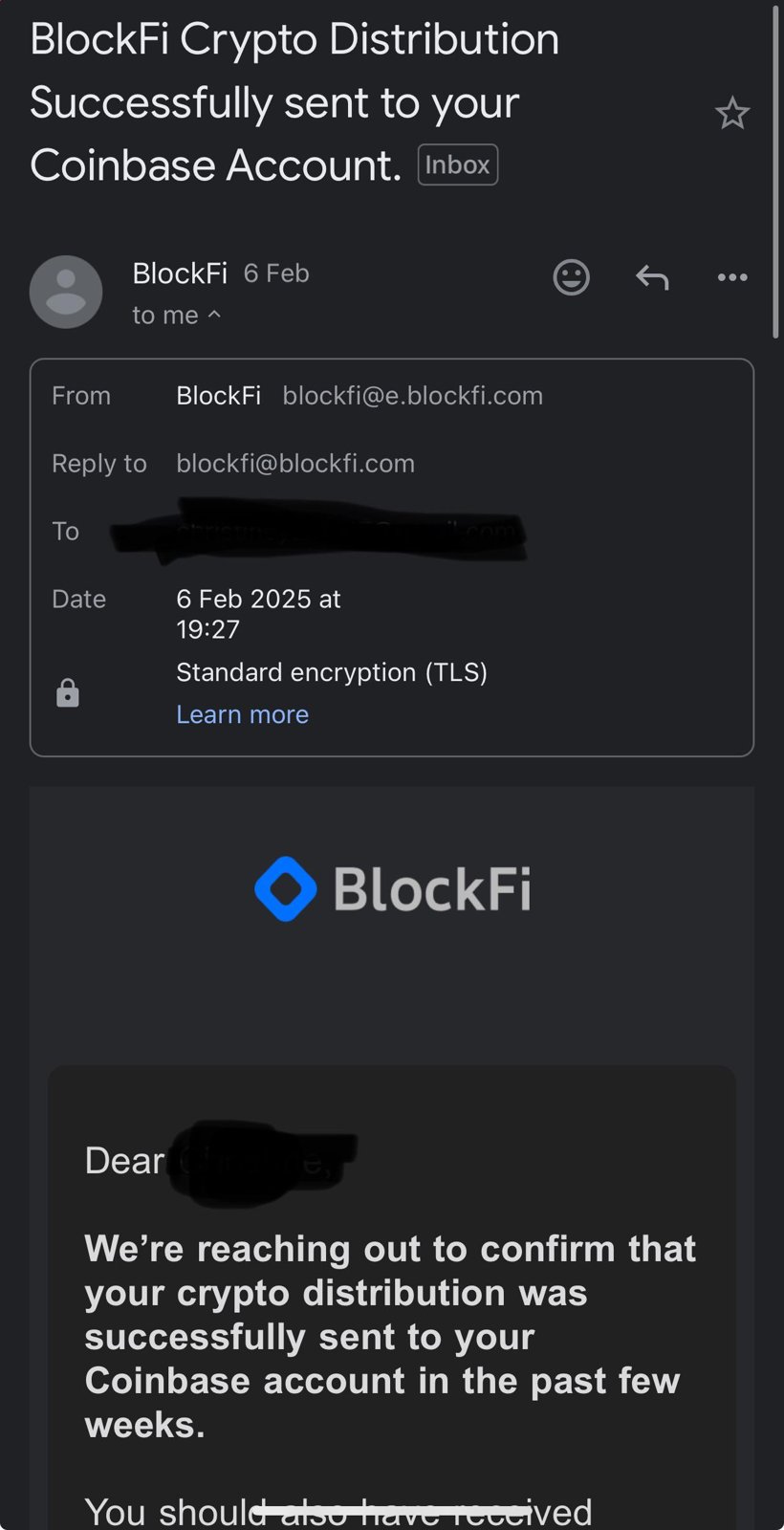
The workflow begins with the latest estate update and the claimant's existing account record. The client confirms identity status, checks whether the account is personal or business, reviews any remediation request, and then chooses an offered distribution method. After selection, the payment channel handles settlement according to its own timing and requirements.
A clean record makes the process easier to understand. Keep the notice, the selected payment method, the distribution amount, and any processor charge together. If the received amount differs from the stated distribution, those records show whether the difference came from a payment method cost, a receiving institution charge, or a later transfer the client initiated.
The clearest way to think about the topic
Typically, Blockfi fees is best understood as a map of costs around a closed crypto lender's estate process. It includes old product rates, old service charges, current distribution payment costs, and administrative items that affect release of funds. The phrase sounds like a simple price page, but the useful reading is narrower and more concrete: what cost applies to this notice, this claimant, this payment route, and this account status.
That framing helps former clients avoid mixing old product economics with current distribution mechanics. A historical interest rate explains the former account model. A Kroll payment selection notice explains the present payout route. A remediation update explains what must be completed before the estate can release remaining funds. Together, those records define the actual cost picture.
Quick answers about Blockfi fees
Does a former BlockFi interest rate still apply to remaining distributions?
Legacy interest rates describe the old account product and help explain historical balances, but remaining estate distributions follow the bankruptcy distribution process. The relevant record is the claim and distribution notice, not a current yield schedule. A former rate can matter for understanding account history, yet payment timing and recovery amounts come from the estate administration workflow.
Can a business account have extra steps before receiving a distribution?
Yes. BlockFi updates identified remediation for international business accounts with outstanding estate distributions. That means a business claimant can need added documentation or account review before release. The cost issue is less about a new fee line and more about completion of the record, because unresolved remediation delays payment selection and final settlement.
When did the identity deadline matter for BlockFi distribution costs?
The public update named May 27, 2025 as the identity verification deadline for securing remaining BlockFi distributions. That date mattered because distribution eligibility and payment handling depend on a verified claimant record. Missing a verification requirement affects access to remaining payments, and it also makes fee review harder because the claimant has not reached the final payment-selection stage.
Which payment route is cheapest for a BlockFi distribution?
The cheapest route is the one with the lowest combined processor, bank, wallet, and conversion costs for the specific claimant. A bank route can involve inbound charges, a digital payment route can involve later withdrawal costs, and a crypto route can involve network fees after receipt. The offered options and account eligibility decide the real comparison.
Are old BlockFi withdrawal fees useful for tax or account records?
Old withdrawal and trading fee entries are useful as account-history records because they explain changes in balances before the estate process. They can show transfer costs, trading spreads, loan-related charges, or movement between assets. For tax preparation or accounting, those historical entries should be separated from later bankruptcy distributions because they describe different events.